
Key Highlights
- Diagnostic imaging is utilised to determine the precise extent and orientation of tooth fractures.
- Treatment selection depends on whether the crack affects the outer enamel or the deeper internal structures of the tooth.
- Structural restoration involves techniques such as resin bonding or the placement of ceramic crowns to reinforce the tooth.
- Prompt assessment helps prevent pulp exposure and the subsequent need for more invasive procedures.
- Patients may consider utilising dental insurance in Singapore to help manage the financial implications of restorative procedures.
- Accessing emergency dental care is necessary if the fracture causes persistent pain or structural instability.
Introduction
A cracked tooth is a structural failure that may manifest in various ways, from a minor surface fissure to a vertical fracture extending into the root. Because teeth are subjected to constant mechanical stress during biting and chewing, a crack can gradually worsen if left unaddressed. In contemporary clinical practice, the management of a cracked tooth focuses on early identification, the potential need for emergency dental intervention, and the application of restorative techniques that maintain the integrity of the remaining natural tooth structure. Understanding the options available, including coverage through dental insurance in Singapore, allows patients to make informed decisions about their oral health and the preservation of their teeth.
Advanced Diagnostic Technologies
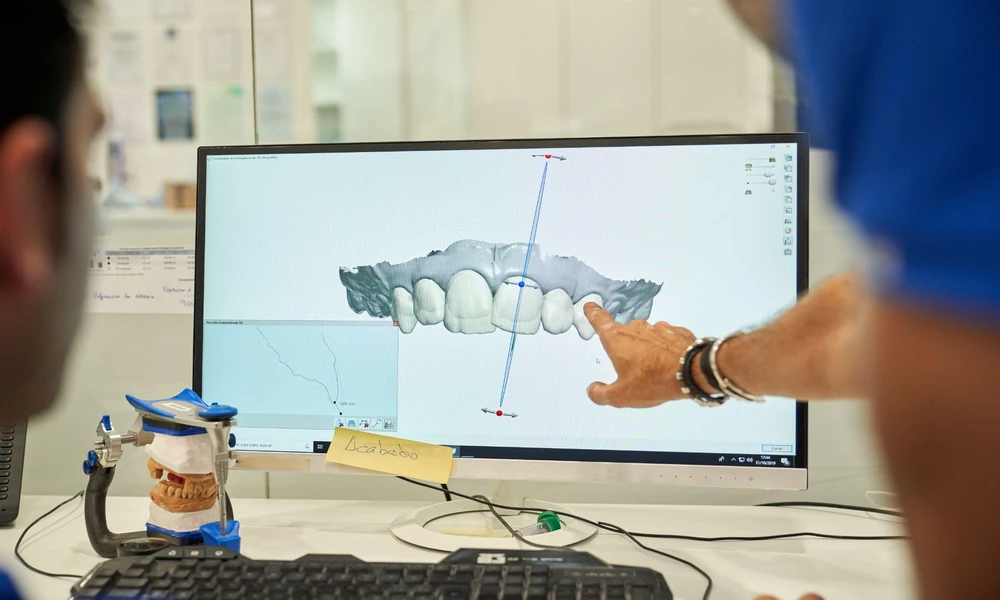
The initial phase of treatment involves precise diagnostics. Modern dentistry has moved beyond simple visual inspection and traditional two-dimensional X-rays. Clinicians now frequently use transillumination, which involves shining a light through the tooth to reveal hairline cracks that might otherwise remain obscured. When a deeper fracture is suspected, cone beam computed tomography provides a three-dimensional view of the tooth and the underlying jawbone. This imaging is crucial for determining whether a crack has reached the pulp chamber or if the fracture line extends below the gum line. By accurately mapping the depth and trajectory of the damage, the dentist can select the most appropriate intervention, ensuring that the treatment plan is tailored to the specific nature of the fracture.
Conservative and Restorative Options
When a crack is limited to the outer enamel, the treatment objective is to seal the area and prevent further progression. Resin bonding is a standard, minimally invasive procedure where a composite material is applied to the crack and hardened with a light source. This effectively seals the fissure and restores the tooth surface. For cases where the crack is more substantial but does not affect the pulp, ceramic inlays or veneers may be recommended. These restorations provide structural support while matching the natural appearance of the tooth.
In scenarios where the structural damage is extensive, a full-coverage crown is often the most reliable option. A crown acts as a protective shell, encasing the tooth to prevent the fracture from spreading during the forces of mastication. Computer-aided design and manufacturing technologies have improved the precision of these restorations, allowing for crowns that integrate seamlessly with the existing bite. In some instances, an overlay or partial crown may be sufficient, providing reinforcement to the biting cusps without requiring the removal of as much tooth structure as a traditional crown.
Addressing Emergency and Financial Needs
A significant factor in treating cracked teeth is the timing of the intervention. Patients experiencing severe sensitivity, sudden pain during chewing, or visible tooth separation often require urgent attention. Accessing emergency dental care in a timely manner is essential to stabilise the tooth and minimise the risk of infection or pulp involvement. Delaying treatment can lead to complications, such as a split tooth that may require extraction rather than restoration.
Furthermore, managing the costs associated with dental procedures is a priority for many patients. Understanding the scope of your dental insurance in Singapore can provide clarity when planning for treatment. Many insurance plans cover a portion of diagnostic assessments and restorative procedures. It is advisable to review policy details to determine the coverage limits and the requirements for pre-authorisation or claim submissions.
Conclusion
The management of a cracked tooth has evolved significantly, with modern techniques offering predictable outcomes for preserving natural teeth. Through accurate diagnostic imaging and the application of appropriate restorative materials, it is often possible to prevent the progression of minor fissures into major complications. Timely action and a clear understanding of available treatment pathways remain the most effective methods for maintaining long-term oral health.
Happy Teeth Family Dental Clinic provides comprehensive assessments for tooth fractures and restorative needs. If you are concerned about the integrity of your teeth or are experiencing discomfort, contact us to schedule an examination with our dental team.