
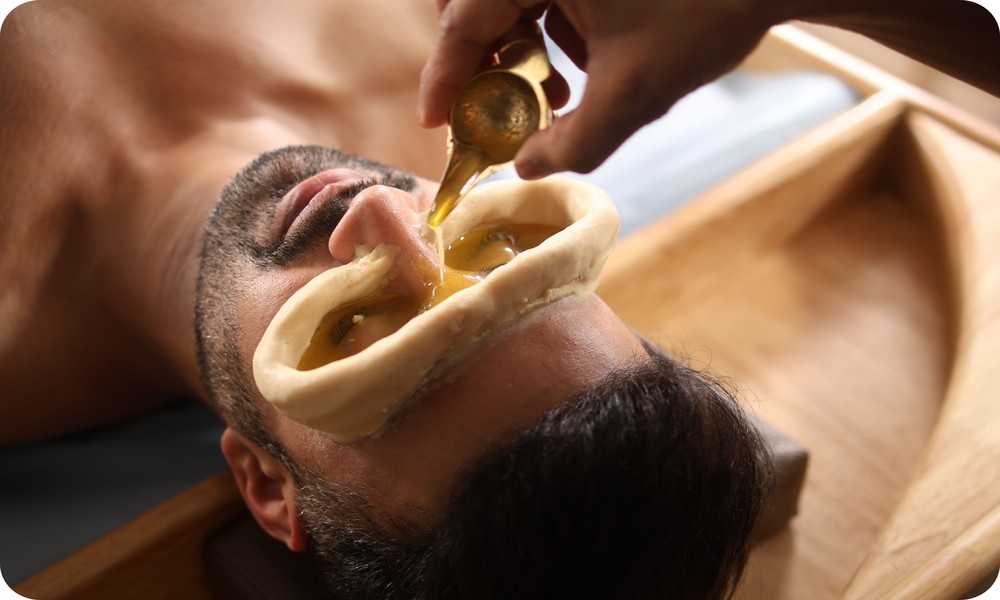
Panchakarma is a traditional Ayurvedic therapy system that aims to support cleansing, balance, and restoration through structured procedures. It is often described through five main therapeutic approaches, but the actual plan should be selected after assessment. The person’s age, strength, disease condition, digestion, medicines, and suitability all matter.
Vamana is a classical procedure involving therapeutic emesis under supervision. It is traditionally considered in selected Kapha-related conditions. It requires preparation, monitoring, and post-procedure diet. It is not suitable for self-practice and should never be attempted without qualified supervision.
Virechana is therapeutic purgation used in selected situations, often linked with Pitta-related imbalance in traditional texts. It involves preparation and controlled elimination. People with dehydration, weakness, pregnancy, severe illness, or unstable chronic disease need careful evaluation before any such therapy.
Basti is a medicated enema-based therapy and is often discussed in Vata-related conditions. It may be considered in certain musculoskeletal, digestive, or chronic conditions depending on practitioner assessment. Hygiene, formulation quality, and medical suitability are important.
Nasya involves administration of medicated substances through the nasal route in selected conditions. It is commonly discussed for head, neck, sinus, and related wellness contexts. It should be avoided during acute illness or without guidance, especially in people with respiratory sensitivity.
Raktamokshana is a bloodletting-related classical procedure that is used only in very specific traditional contexts. It requires strong clinical judgment, sterile practice, and careful patient selection. Many modern wellness seekers may not need this procedure at all.
Apart from the five classical procedures, many centres also offer supportive therapies such as abhyanga, steam, shirodhara, localized oil treatments, and dietary regulation. These can feel relaxing, but the benefit depends on correct selection and follow-up habits.
Panchakarma is best understood as part of a broader health plan. It may be followed by dietary discipline, sleep correction, movement, stress management, and medical monitoring where needed. People with diabetes, heart disease, kidney disease, pregnancy, cancer, severe anemia, or acute infection should take extra care.
For patients, the most useful way to read about Panchakarma and wellness therapies is to connect the idea with daily life. Health improves when advice can be followed at home, at work, during travel, and during family routines. A plan that sounds good on paper may fail if it does not account for meal timing, work pressure, sleep schedule, budget, and existing medical conditions.
A practical first step is to write down current concerns before consultation. This may include symptoms, duration, medicines, test results, food habits, sleep pattern, stress level, activity level, and previous treatments tried. Clear information helps the doctor or practitioner understand the full picture and reduces the chance of vague advice.
Ask how the practitioner will decide suitability, what preparation is needed, what diet will be followed, and what signs should be reported during or after therapy. Patients should feel comfortable asking these questions. Good healthcare communication gives the patient a clear reason for each recommendation, whether it is a food change, therapy, test, medicine review, or follow-up visit.
Another important point is follow-up. Lifestyle and wellness plans need review because the body changes over time. Weight, waist, blood pressure, blood sugar, pain levels, stamina, sleep, and energy may improve at different speeds. If the plan is not working, it should be adjusted instead of being continued blindly.
Family support can improve consistency. Many patients struggle because the household continues the same food patterns, late dinners, sugary snacks, or inactive routines. When family members understand the goal, they can help with cooking choices, walking time, medicine reminders, and appointment follow-up.
People with diabetes, heart disease, kidney disease, pregnancy, severe weakness, recent surgery, or active infection should avoid starting intensive therapies without medical review. Wellness guidance should never delay urgent care. Traditional systems and lifestyle correction can support long-term health, but warning signs require timely medical evaluation.
For guest-post readers, the key message is simple. Begin with awareness, confirm the problem through proper evaluation, choose a credible care setting, and follow the plan long enough to measure progress. This approach is more useful than switching from one temporary solution to another.
Patients should also be encouraged to keep copies of reports and prescriptions in one place. This makes follow-up easier and helps every practitioner understand what has already been tried. Organized records reduce confusion when care involves more than one doctor or repeated visits.
Readers who want to understand supervised Ayurvedic treatments can review Madhavbaug’s treatment information. To learn more about the institution, visit Madhavbaug. Panchakarma should be chosen carefully, with safety and suitability placed first.