
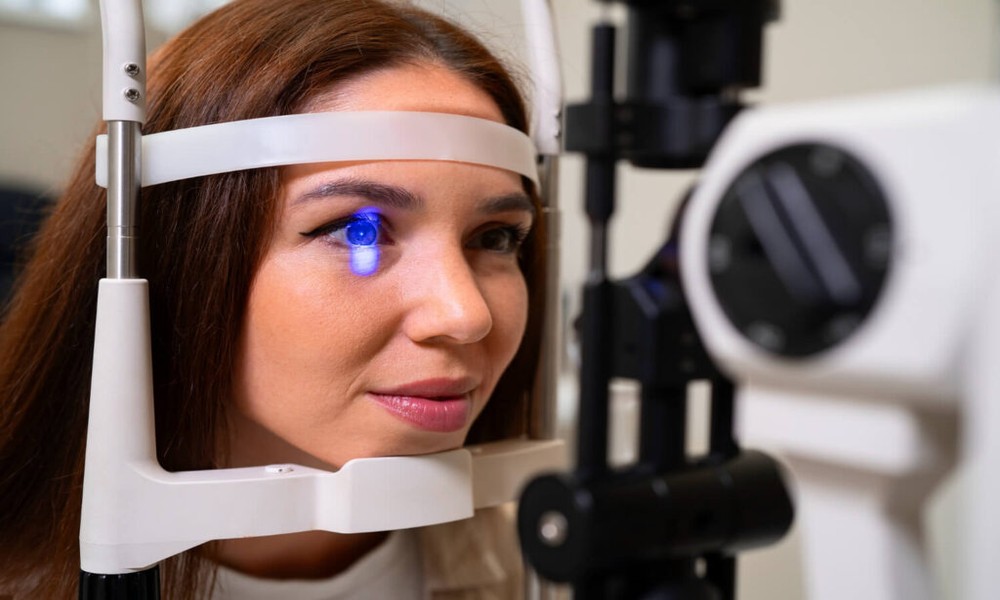
Thinking about vision correction can feel exciting, but it can also bring many questions. Before deciding on any eye procedure, your first visit with an eye specialist is an important step. This consultation helps determine whether you are a good candidate, what tests may be needed, and what expectations you should have before moving forward.
Preparing well for your appointment can make the discussion clearer, more productive, and less overwhelming.
Why Your First Eye Specialist Visit Matters
Your first consultation is not just about asking whether you can undergo LASIK. It is a complete eye health assessment. The specialist may check your vision grade, corneal thickness, eye pressure, pupil size, tear production, and overall eye condition.
These details matter because not everyone is automatically qualified for laser vision correction. Some people may need additional tests, alternative treatments, or more time before becoming eligible.
What to Prepare Before Your Appointment
Bring Your Eye Care History
Before your visit, prepare any previous eye exam results, prescription records, or details about past eye conditions. If you wear glasses or contact lenses, bring them with you. Your doctor may compare your current vision grade with previous records to see if your prescription has been stable.
If you have experienced dry eyes, allergies, eye infections, or any previous eye surgery, mention these during the consultation. Being honest about your history helps the specialist provide safer and more accurate guidance.
List Your Current Medications
Some medications may affect healing, dryness, or overall eye health. Make a simple list of prescription medicines, supplements, and over-the-counter products you currently take. This allows your eye specialist to assess whether anything may affect your treatment plan.
Questions to Ask Your Eye Specialist
The middle part of your consultation is the best time to ask detailed questions about the process, safety, recovery, and expected results. Many patients researching lasik surgery philippines want to understand not only the procedure itself but also what happens before and after treatment.
You may ask:
Important Questions to Consider
- Am I a good candidate for LASIK?
- What eye tests do I need before approval?
- How long should I stop wearing contact lenses before testing?
- What results can I realistically expect?
- What are the possible risks or side effects?
- How long is the recovery period?
- What follow-up visits are required?
These questions can help you feel more confident and informed before making a decision.
What to Expect During the Eye Assessment
Your doctor may perform several diagnostic tests during your first visit. These tests help measure the shape and thickness of your cornea, evaluate your prescription, and check if your eyes are healthy enough for laser correction.
You may also be asked about your lifestyle, work routine, screen time, and visual needs. For example, someone who works long hours on a computer may need guidance on managing dryness and eye strain after the procedure.
Preparing Yourself Mentally and Practically
It is normal to feel nervous before an eye consultation. The best way to reduce worry is to understand that the first visit is mainly for evaluation and discussion. You are not expected to decide immediately.
For people comparing options for lasik philippines, it helps to focus on the quality of the consultation rather than rushing into treatment. A good specialist should explain the procedure clearly, answer your questions, and discuss whether LASIK is truly suitable for your eyes.
Things to Avoid Before the Visit
Contact Lens Use
If you wear contact lenses, ask the clinic how long you should stop wearing them before your appointment. Contact lenses can temporarily affect the shape of your cornea, which may influence test results.
Eye Makeup and Irritants
On the day of your visit, avoid heavy eye makeup, creams around the eyes, or products that may irritate the eye area. This helps keep the examination cleaner and more accurate.
After the Consultation
Once your tests are done, your eye specialist may explain whether you are qualified for LASIK or if another option may be better. You may also receive instructions for additional tests, preparation steps, or follow-up appointments.
Take time to review the information carefully. LASIK is an important decision, and choosing the right doctor, clinic, and treatment plan can make a big difference in your overall experience.
Final Thoughts: Start with the Right Eye Specialist
Preparing for your first LASIK consultation helps you ask better questions, understand your options, and make a more confident decision about your vision care. Bring your records, share your medical history, and take time to understand the results of your eye assessment.
A well-informed visit is the first step toward clearer expectations, safer planning, and better long-term eye health.