
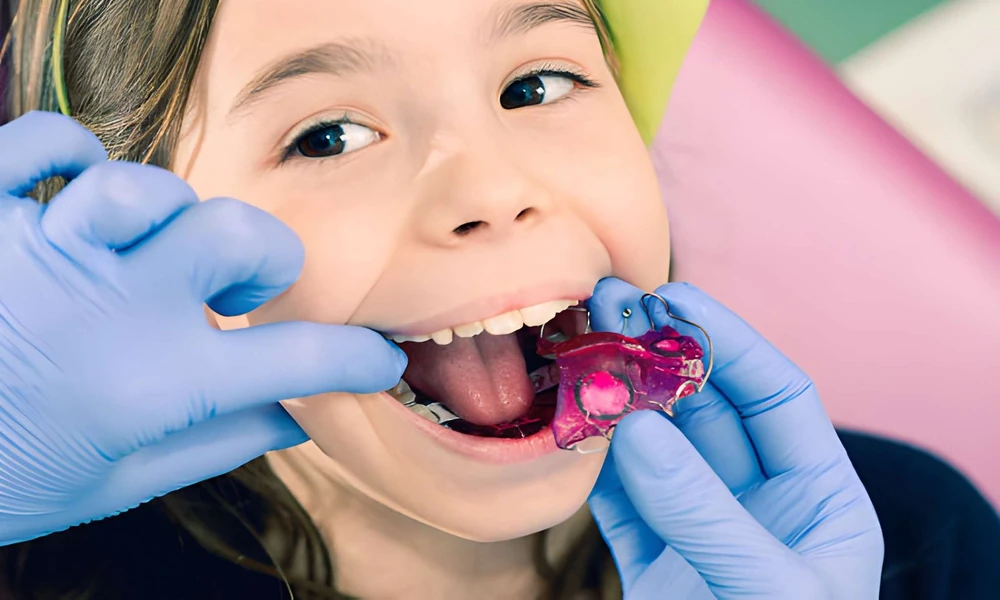
Most parents expect orthodontic treatment to begin when all of their child’s permanent teeth have arrived. That seems logical. But teeth and jaws do not always develop according to a neat schedule. Some children have crowding, bite problems, or jaw-development concerns that are easier to manage while they are still growing. In these situations, starting treatment earlier can help guide development and prevent certain problems from becoming harder to correct later.
If you are searching for a trusted Orthodontist in Kaysville and Farmington, Utah, for your child or teenager, check out Defay Orthodontics. An early evaluation does not mean your child will automatically need braces. Sometimes, the best recommendation is to simply wait and monitor growth. The important thing is finding out whether a developing problem needs attention now, or if it can safely be left alone for a while, but you will need to consult an expert to make that informed decision.
What Does Two-Phase Treatment Mean?
As the name suggests, treatment is divided into two stages. Phase One usually begins while a child still has some baby teeth. The focus is on correcting specific problems that could affect jaw growth, spacing, or the eruption of permanent teeth.
Then treatment pauses, but this break is intentional. The child’s permanent teeth continue to come in, while the orthodontist watches how the mouth develops.
What Happens During Phase Two?
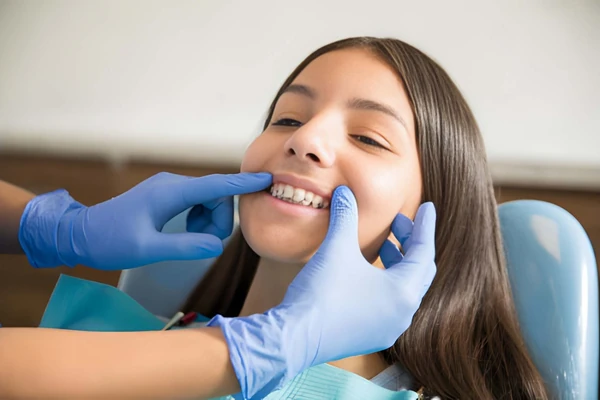
Phase Two usually begins after most permanent teeth have erupted. This stage is more familiar to most people because it often involves braces. The goal is to move the permanent teeth into their final positions, improve the bite, and create a balanced, functional smile. In simple terms, the first phase helps set the stage. The second phase fine-tunes the result.
Why Might a Child Need Early Treatment?
Not every child needs two phases. Some never need orthodontic treatment at all.
An orthodontist may recommend early treatment when there is:
- Significant dental crowding
- A crossbite or other bite problem
- Difficulty with permanent teeth erupting
- A developing jaw-growth problem
- Severe spacing or lack of room for adult teeth
- Certain childhood habits affecting oral development
The aim is not to put braces on a child as early as possible. It is to intervene when doing so can actually help.
What Are the Benefits?
Early treatment can sometimes create space for permanent teeth, guide jaw development, improve the bite, and make later orthodontic treatment more manageable. It may also reduce the risk of more complicated correction down the road.
For parents, one point is especially important: two phases do not simply mean “twice the braces.” There is usually a resting period between stages while the child continues to grow and permanent teeth erupt.
Should Your Child Have Two-Phase Treatment?
There is no universal answer when it comes to orthodontic treatment. An early evaluation can show whether your child needs treatment now, may benefit from waiting, or does not need intervention at all.
In some cases, waiting is actually the wiser choice. The goal is not to start treatment as early as possible, but to address developing problems at the right time, when treatment can provide the greatest benefit.