
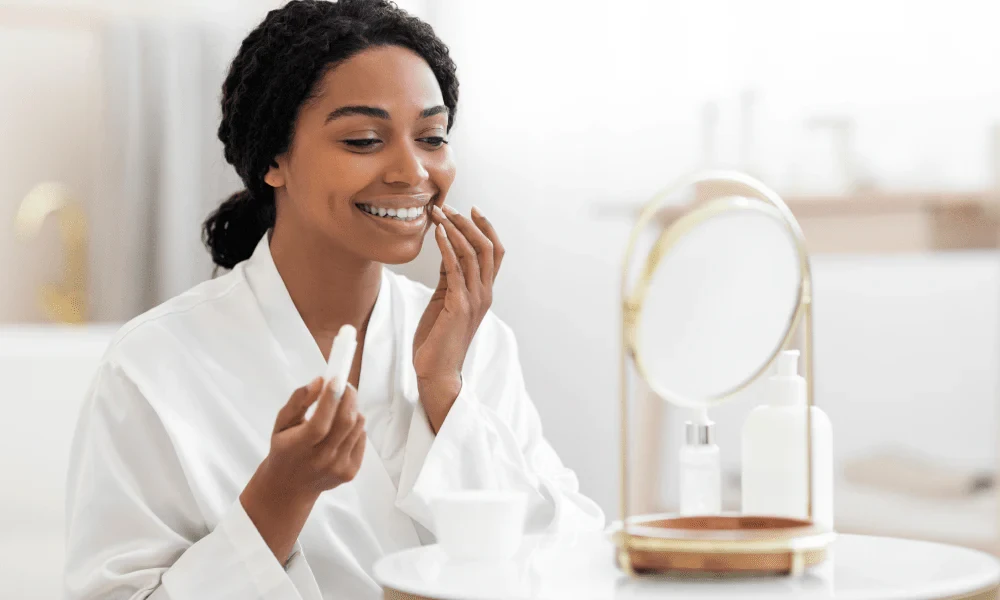
For many people across the United Kingdom, the marks left by past breakouts are more than just a skin concern. These lingering blemishes can cause significant emotional distress and negatively influence social interactions.
The persistent texture and discolouration serve as a daily reminder, often affecting an individual’s personal confidence and how they feel about their appearance. Moving beyond this requires a dedicated and informed approach.
Seeking professional, clinical guidance is a crucial step for anyone aiming to improve their complexion’s texture and overall look. Modern dermatology offers a range of advanced procedures designed to address the underlying damage.
This guide explores the most effective methods available. It aims to help you understand the options that can lead to smoother, more radiant skin and a renewed sense of self-assurance.
Key Takeaways
- Past blemishes can have a profound effect on emotional well-being and social confidence.
- Professional, clinical guidance is essential for effectively improving skin texture and tone.
- A variety of advanced dermatological procedures exist to target different types of skin damage.
- Understanding the available options is the first step towards achieving a clearer complexion.
- A proactive approach to skin health can lead to lasting improvements in appearance and self-esteem.
- Choosing the right method harmonises with your specific skin type and concerns for optimal results.
Understanding Acne Scars and Their Impact
Distinct marks on the complexion often originate from a disrupted healing process following periods of significant inflammation. This imbalance in the skin’s repair mechanism leads to either a loss or an overproduction of tissue.
Recognising the specific form of these marks is a vital step before considering any form of improvement.
Causes and Types of Acne Scarring
Persistent inflammation is the primary driver. It damages the skin’s collagen and elastin fibres. The result is either depressed atrophic scars or raised hypertrophic scars.
Atrophic marks are the most common. They are categorised by their shape and depth. The table below outlines the key types.
| Scar Type | Description | Common Characteristics |
|---|---|---|
| Ice Pick Scars | Deep, narrow pits that extend into the dermis. | Resemble small, deep holes in the skin. |
| Boxcar Scars | Broad depressions with sharply defined edges. | Give the skin a pitted, uneven texture. |
| Rolling Scars | Wavy, shallow depressions with sloping edges. | Create a rolling or undulating appearance. |
| Hypertrophic Scars | Raised, thickened areas of tissue above the skin surface. | Often found on the back and chest after severe acne. |
Emotional and Social Implications
Beyond the physical marks, these blemishes can affect how a person feels. They may cause significant emotional distress and influence social confidence.
As consultant dermatologist Dr Ghazavi notes,
“Accurate diagnosis is the foundational step in managing the long-term effects on the skin.”
This professional insight highlights the link between understanding the problem and addressing its full impact.
Acne Scar Treatment UK Best Clinical Solutions in Clinical Practice
Effective management of textural irregularities hinges on selecting from a range of evidence-based clinical options. A detailed consultation with a specialist is the essential first step. This process allows for a thorough assessment of your specific concerns.
Establishments like Banning Skin Ltd exemplify this approach. They utilise advanced diagnostic tools, such as 3D skin analysis, to create a fully personalised plan. This ensures the strategy directly addresses your unique needs.
Overview of Professional Treatment Options
The right intervention depends on several factors. These include the specific scar type, the severity of the textural damage, and your desired outcome. Considering the expected healing time is also crucial for planning.
Successful outcomes often involve a combination of professional procedures. A tailored combination can address different aspects of the skin’s texture more comprehensively than a single method.
High standards of care are paramount. Organisations such as Banning Dental support innovative approaches to patient wellness, ensuring clinical protocols are delivered with precision and safety.
Ultimately, seeking advice from qualified professionals is the most reliable path. It guarantees that any chosen course is both medically appropriate and aligned with achieving the best long-term results for your skin.
Innovative Clinical Procedures for Scar Remodelling
The evolution of medical aesthetics now offers powerful methods to actively reshape damaged tissue and promote regeneration. These advanced techniques focus on stimulating the skin’s natural repair processes to improve its surface and underlying structure.
Laser Resurfacing Techniques
Fractional CO2 laser resurfacing is a leading option. It creates microscopic columns in the skin to trigger new collagen production. This approach is particularly suited to deep indentations, such as ice pick scars. A typical course involves three to five sessions for significant improvement.
Chemical Peels and Microneedling
Chemical peels, using agents like trichloroacetic acid, work by resurfacing the outer layers. This can refine overall texture. When paired with microneedling, which uses fine needles to create controlled micro-injuries, the healing response is enhanced. Combining this with regenerative serums can accelerate remodelling for various scar types.
Dermal Fillers and Combination Therapies
Dermal fillers containing hyaluronic acid provide an immediate solution for rolling or boxcar depressions. They offer a smoother appearance that can last between six and twelve months. For comprehensive results, practitioners often recommend combination therapies. Pairing laser treatments with microneedling allows multiple aspects of skin texture and pigment to be addressed simultaneously.
Comprehensive Skincare and At-Home Remedies
Beyond in-clinic procedures, dedicated personal skincare habits provide a crucial base for sustained skin health and visible refinement. These daily practices work to support the skin’s natural renewal processes and can significantly improve overall complexion quality.
Topical Treatments and Optimised Skincare Routines
Prescription-strength options, such as Duac gel containing benzoyl peroxide and clindamycin, require consistent daily use for two to three months to show visible results. For non-prescription care, certain active ingredients are particularly effective.
Key components to look for include:
- Retinoids to boost collagen production and improve skin texture
- Azelaic acid to fade post-inflammatory discolouration while combating breakout-causing bacteria
Establishing a high-quality routine with these elements takes patience. Improvements in the appearance of marks become noticeable over time. Consulting a professional ensures you select the right products for your specific skin type.
Natural Remedies for Gentle Improvement
For those seeking a gentle approach, simple home preparations can offer benefits. A mask made from honey and lemon, applied for 10 to 15 minutes two or three times weekly, provides natural brightening properties.
This can help fade superficial marks. Such remedies are best suited for mild surface concerns and work gradually. They complement a broader skincare strategy focused on overall skin health and healing.
Expert Consultations and Personalised Treatment Plans
Achieving smoother skin begins with a detailed professional evaluation that maps your unique complexion concerns. This foundational step ensures any subsequent strategy is precisely aligned with your individual needs and goals.
Initial Skin Assessments and 3D Analysis
During an initial consultation, clinics like Banning Skin Ltd utilise advanced 3D analysis technology. This tool meticulously maps the depth of indentations and variations in pigmentation across the skin’s surface.
Such detailed imaging provides clinicians with a comprehensive understanding of each patient’s specific scar type. It allows for the creation of a truly personalised plan aimed at improving skin texture and overall appearance.
The data gathered guides the selection of procedures that target the root causes of textural irregularities. This scientific approach maximises the potential for successful outcomes.
Collaboration with Specialists including Banning Skin Ltd
Working with experienced specialists ensures that the proposed methods are tailored to your skin’s history and current condition. The clinical team discusses the most effective ways to manage your concerns during the consultation.
They explain the expected results and necessary recovery time for various options, offering clear guidance for addressing acne scarring. This collaborative approach, supported by evidence-based practices, helps patients feel informed and comfortable throughout their journey.
A bespoke treatment plan is essential for optimal outcomes. It accounts for your unique skin type and the nature of any past blemishes, guiding you towards clearer, more refined skin.
Advanced Techniques and Leading-Edge Technologies
Investment in cutting-edge equipment allows practitioners to tailor interventions with unprecedented accuracy. This precision is vital for addressing complex textural issues, including acne scars.
State-of-the-Art Laser Technologies
Advanced laser systems, such as the Genesis laser, utilise non-ablative energy. This method promotes natural collagen production and reduces redness without requiring downtime.
These high-precision treatments can target specific areas of scarring. They smooth out deep indentations and uneven surfaces with remarkable accuracy.
Such technology is particularly effective for stubborn ice pick scars that may resist other methods. By stimulating collagen efficiently, it leads to better long-term results for the skin.
Innovative Approaches as Supported by Banning Dental
Banning Dental supports the integration of innovative, high-tech solutions that enhance care standards. This commitment ensures patients have access to the most modern and effective equipment available.
Clinics that leverage these advanced tools can offer safer, faster, and more reliable solutions. The focus remains on improving skin texture and overall appearance through evidence-based practice.
Conclusion
Navigating the options for skin refinement requires understanding one’s unique needs and partnering with qualified specialists. This journey towards a clearer complexion demands both patience and consistency under medical guidance.
A personalised plan, developed through a detailed professional consultation, is the cornerstone of success. It ensures that advanced methods, such as laser resurfacing or chemical peels, are tailored to address specific textural concerns effectively and safely.
Combining these in-clinic procedures with diligent at-home skincare can significantly improve the skin’s overall appearance. This integrated approach helps minimise the visual impact of past blemishes and promotes long-term skin health.
Taking the first step by booking an assessment allows individuals to start their path towards renewed confidence. Professional clinics provide the ideal environment for this transformative process, leading to visibly smoother and more radiant skin.