
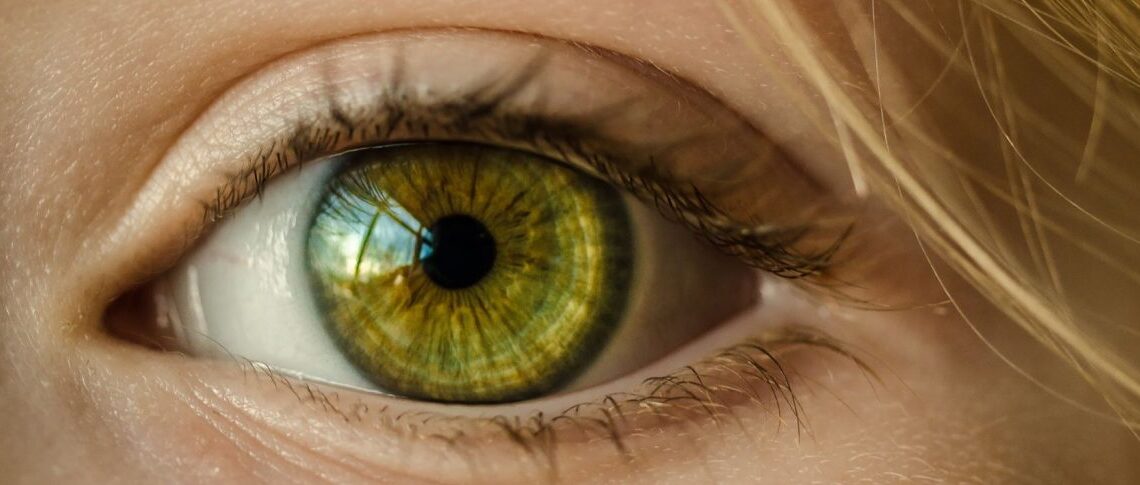
Retinitis pigmentosa is a genetic eye disease that harms the retina and weakens the response to light. The condition begins with slow loss of night vision and gradual loss of side vision. The disease can advance without a cure and can lead to severe vision loss. The retina sends light signals to the brain and this process fails when retinal cells die. Rod cells and cone cells face damage in this disease. Early rod damage affects night vision. Later cone damage weakens color vision and reading vision. Many families in Iraq seek advanced care for this challenging condition each year.
Common Signs and Diagnosis
Symptoms appear in early life and progress slowly. Many people notice trouble in dark areas. Side vision decreases over time and daily tasks feel harder. Tunnel vision can develop and normal travel becomes stressful. An exam often reveals dark pigment in the retina and this pattern guides diagnosis. Tests offer helpful insight and support planning for care. Genetic causes shape the disease and rare variants appear in many regions. Iraq faces rising demand for clear guidance and safe support. Early attention improves hope and steady guidance helps many people manage daily life with greater confidence and stability in daily practice.
Stem Cell Cure Therapy Possibilities
Stem cell treatment in Iraq offers new hope for people with this condition. Fresh cells may support healing in damaged retinal regions. Many centers in Iraq study safe use of cell-based care for eye disease. Therapy aims to slow damage and protect remaining vision. The approach uses living cells from the patient or from a safe matched source. The goal is better function and steady comfort during daily activity. The method avoids major surgery and supports stable recovery. Regular follow up builds trust and helps track gains. Care teams focus on safe planning and gentle support at every stage of care.
Indian Advances in Retinal Care
Indian research provides strong progress for retinal care. Many teams refine cell-based therapy for inherited eye disease. Work aims to replace failed cells and strengthen vision pathways. Clinics develop safe protocols that guide each step of treatment. Many families from Iraq visit India for expert support and steady recovery. Skilled teams use advanced tools to monitor outcomes and guide healing. Results show better stability in daily tasks and strong emotional relief for many people. Indian experts refine methods with constant study and open exchange with global partners.
Growing Options in Iraq
Iraq expands access to gentle regenerative care for retinal disease. Local teams study patient needs and offers guided plans for each case. Many centers use cell therapy in controlled settings that protect overall safety. Care aims to slow decline and build stronger function in daily life. People report better comfort after guided sessions and this improves quality of life. Health groups train staff in modern methods and maintain strong oversight. This brings trust for families who seek steady support.
For Eye disease treatment kindly visit https://eyestemcellcenter.com/