
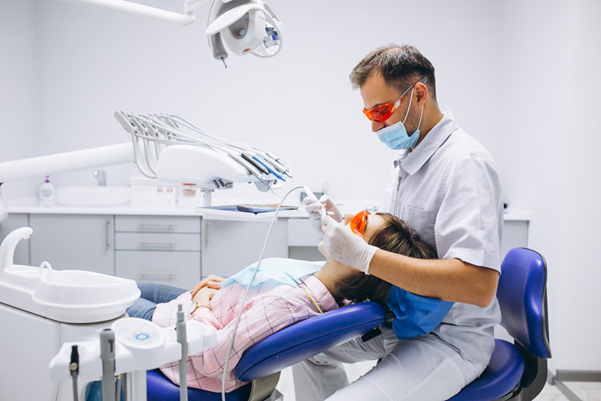
A dental abscess is a painful and potentially dangerous infection that forms within the tooth, gums, or surrounding tissues. It typically results from untreated decay, gum disease, or trauma, and can escalate quickly if not addressed promptly. While professional treatment is essential, knowing how to manage symptoms before your appointment can prevent complications and ease discomfort until proper care is received.
Many individuals seek emergency dental care when the pain becomes severe, the swelling increases, or signs of infection begin affecting daily activities.
For those experiencing sudden symptoms, consulting a dentist in Lake Mary can ensure a timely diagnosis, safe drainage, and appropriate treatment strategies tailored to prevent the spread of infection.
Understanding What a Dental Abscess Is
A dental abscess occurs when bacteria invade the tooth pulp or gum tissue, leading to a pocket of pus. Depending on its location, it may be classified as:
Periapical Abscess: located at the tip of the tooth root
Periodontal Abscess: forms in the gums around the tooth
Gingival Abscess: limited to the gum surface
Each type requires prompt attention to avoid the infection spreading to the jaw, face, or bloodstream.
Common symptoms include:
- Throbbing or severe toothache
- Sensitivity to hot and cold
- Swollen gums or face
- Fever
- Foul taste or odor
- Difficulty chewing
Early intervention reduces complications and promotes successful treatment.
Why Immediate Action Matters
A dental abscess is not a minor issue that can be resolved without intervention. It is an active infection that can progress rapidly. Delaying treatment may allow bacteria to spread to nearby tissues or even distant organs.
Potential complications of untreated abscesses include:
- Cellulitis (skin infection)
- Osteomyelitis (bone infection)
- Sinus infections
- Sepsis (life-threatening systemic infection)
- Tooth loss
Acting quickly and managing symptoms appropriately before seeing a dentist protects your health and prevents dangerous outcomes.
First Steps to Manage Pain and Swelling
Pain and swelling are the most immediate concerns when dealing with a dental abscess. While temporary relief does not replace professional care, it can make waiting for your appointment more manageable.
Cold Compress: Applying a cold compress to the outside of your cheek reduces swelling and numbs the area temporarily. Use it for 10–15 minutes at a time.
Over-the-Counter Medication: Non-steroidal anti-inflammatory drugs (NSAIDs) such as ibuprofen can help relieve pain and inflammation. Always follow dosage instructions and check for contraindications.
Avoid Warm Compresses: Warm compresses may draw the infection closer to the skin, increasing the risk of spreading. Cold is the safer option until you reach the dentist.
Rinse With Salt Water for Temporary Relief
Salt water rinses are one of the safest ways to ease discomfort without aggravating the infection. Salt draws out bacteria and reduces inflammation.
How to prepare a saltwater rinse:
- Add ½ teaspoon of salt to a cup of warm (not hot) water.
- Swish gently for 30 seconds.
- Avoid vigorous rinsing, which may worsen pain.
- Repeat 2–3 times per day until you see the dentist.
Salt water does not cure the abscess, but it helps control bacterial load and soothes irritated tissues.
Keep the Area Clean Without Irritating It
Oral hygiene becomes more delicate during an abscess, but proper cleaning prevents bacterial growth from worsening the infection.
Best practices include:
- Brush gently around the affected tooth
- Avoid flossing directly in the infected area if it causes pain
- Rinse after meals to remove trapped food
- Avoid acidic or sugary foods
Maintaining cleanliness reduces inflammation and prevents additional bacteria from entering the abscessed area.
Do Not Attempt to Drain the Abscess Yourself
One of the most dangerous mistakes people make is trying to pop or drain the abscess at home. This can worsen infection, introduce new bacteria, and cause severe complications.
Attempting self-drainage may lead to:
- Spread of infection into deeper tissues
- Uncontrolled bleeding
- Nerve damage
- Scarring
- Increased pain
Only a licensed dental professional should drain an abscess safely using sterile tools and controlled procedures.
Avoid Foods and Activities That Make Symptoms Worse
Certain habits can aggravate the infected area, increase pressure, and intensify pain.
Things to avoid:
- Chewing on the affected side
- Extremely hot or cold foods
- Hard foods like nuts and chips
- Alcohol or tobacco use
- Sugary beverages
Sticking to soft, lukewarm foods minimizes discomfort until treatment is received.
Do Not Rely on Home Remedies Alone
Home remedies may offer temporary relief, but cannot treat the underlying infection. Internet hacks, such as applying essential oils, garlic, or alcohol inside the mouth, can irritate the tissue and make symptoms worse.
Reasons home remedies fail:
- They do not remove the source of infection
- Many cause burns or allergic reactions
- They delay proper dental intervention
Professional diagnosis is necessary to determine whether you need drainage, antibiotics, or root canal therapy.
When Antibiotics May Help and When They Won’t
While antibiotics can help contain the spread of infection, they are not a substitute for dental treatment. The abscess needs mechanical removal of infected tissue or professional drainage.
Antibiotics may be prescribed when:
- The swelling is significant
- Fever is present
- Infection is spreading
- Pain is severe
Even with antibiotics, the abscess can recur if the underlying cause, such as decay or gum disease, is not addressed.
When a Dental Abscess Is a Medical Emergency
Certain symptoms indicate that the infection may be spreading beyond the tooth and require immediate medical attention.
Seek urgent care if you experience:
- Difficulty breathing or swallowing
- Rapidly increasing swelling
- High fever or chills
- Swelling spreading to the neck or eye
- Confusion or dizziness
- Inability to open the mouth fully
These signs may indicate a life-threatening condition requiring emergency hospital treatment.
What Not to Do While Waiting for Your Appointment
Some actions can aggravate the abscess or risk spreading the infection.
Avoid the following:
- Pressing on the swollen area
- Taking expired or unprescribed antibiotics
- Applying numbing gels excessively
- Exposing the area to heat
- Ignoring symptoms
Patience and proper care ensure a safer outcome.
What to Expect at Your Dental Appointment
Once you reach the dentist, they will perform an examination, take X-rays, and determine the source and extent of the abscess.
Treatment may include:
- Draining the abscess
- Root canal therapy to save the tooth
- Periodontal cleaning if the gums are involved
- Extraction (only if the tooth cannot be restored)
- Antibiotics to control the spread
Prompt professional treatment prevents complications and restores your oral health.
Preventing Future Dental Abscesses
Good oral hygiene and regular dental checkups significantly reduce the risk of developing another abscess.
Prevention tips include:
- Brush twice daily with fluoride toothpaste
- Floss daily
- Avoid excessive sugar intake
- Address cavities as soon as they appear
- Schedule regular dental cleanings
- Wear mouthguards if you grind your teeth
Healthy habits protect your teeth and gums, reducing the likelihood of painful infections.
Conclusion
A dental abscess is a serious condition that requires prompt attention and professional care. While home measures can offer temporary relief, they are not a cure and should never replace a dental evaluation. By understanding how to manage pain, reduce swelling, and avoid harmful habits, you can protect yourself from complications while preparing for treatment. Seeking professional help as soon as possible ensures safe resolution of the infection and restores your comfort, health, and peace of mind.