
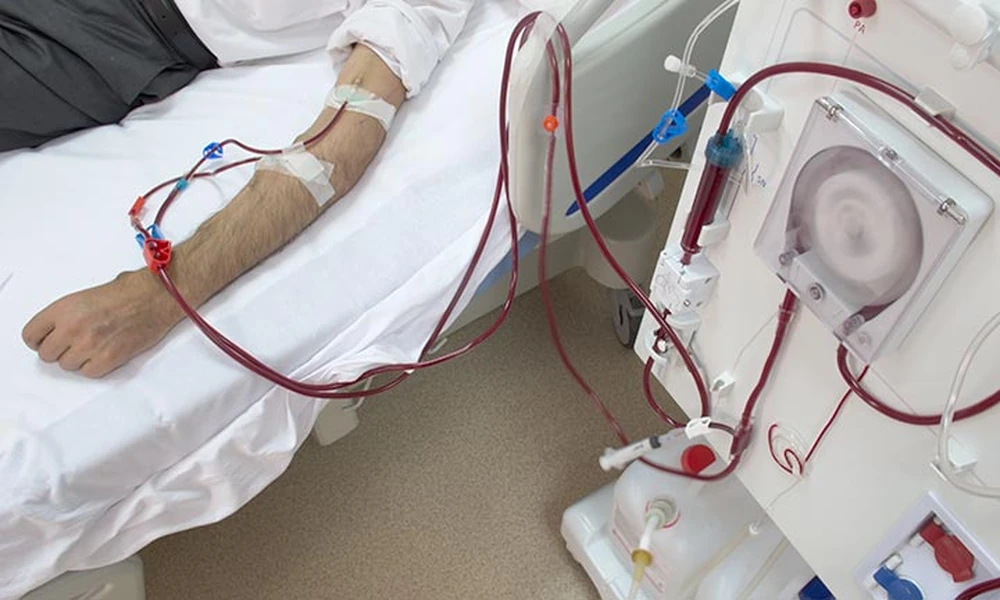
Strong processes, communication, and availability of clinical resources are essential to effective kidney care. Even a minor supply issue can strain relationships between nurses, technicians, purchasing teams, and patients with limited treatment time. So choosing suppliers isn’t just about price or availability. They also have to consider delivery and documentation, product knowledge, response times and any support needed post-order. Having a good working relationship with a supplier will make it easier to plan your day and will increase staff confidence in changing treatments.
Dialysis Equipment Reliability Starts With Consistency
A dependable dialysis equipment supplier should understand how closely renal care depends on regular treatment schedules. Clinical teams need clear information on availability, delivery times, documentation, and service before making a long-term decision. When those details are reliable, staff can plan with fewer surprises. Procurement teams can also place orders with a better understanding of expected demand rather than waiting until stock becomes urgent.
Consistency should also be visible in everyday communication. A Dialysis Equipment Supplier that provides realistic timelines and responds clearly can help departments stay organised. Renal care often involves repeat requirements, so teams may need updated information or support when treatments demand changes. A partner that remembers earlier discussions can respond faster. This saves staff from repeating the same information and makes routine sourcing easier to manage.
Treatment Planning Needs More Than Availability
Availability is important, but it’s only one part of a good sourcing decision. Healthcare teams also need to consider documentation, access, delivery planning, and post-purchase service. Such information can identify whether a department can continue to operate optimally or take longer to solve problems earlier.
Clinical staff should have a say in purchase decisions, too. Purchasing teams may know about price, contracts and entitlements, but nurses and technologists have the day-in, day-out knowledge of what treatments are like. Having both groups weigh in balances the final choice. This also removes the possibility of picking the cheaper option with weak support or a shaky supply that could create more work in the future.
Angiography Support Shows the Value of Expertise
Other clinical areas also need expert knowledge. For example, an angiography device supplier can provide assistance to teams who just want the simple details regarding what is required for the procedure, availability, and specifications. The same is true of renal care. Suppliers who have insight into the clinical environment and don’t treat every request as a transaction help health professionals. Greater understanding creates more productive communications and helps teams identify possible problems with the work trajectory at an earlier stage.
Working with an Angiography Device Supplier also shows good communication between departments. Clinicians may ask about practical suitability, while procurement teams are concerned about timing, documents, and purchasing terms. Knowledgeable partners can connect these conversations. This eliminates the need to ask the same questions twice and provides each group with the information it needs to do its job. That same support is vital when healthcare organisations evaluate long-term renal care providers.
Clear Documentation Supports Faster Decisions
Also, the speed of the purchase could be influenced by any supporting documentation required by the team providing the internal review. Healthcare teams may need technical information, delivery information, records, or other documentation to accept an order. If those things are difficult to locate, staff may waste time calling multiple people and waiting for simple answers.
A good supplier will have important records easy to access and simple to understand. This enables the purchasing team to see what needs to be purchased and the clinical staff to confirm information about daily usage. Access to the same information makes for easier approvals. Good documentation also means a clearer chain of decision-making that you’ll be more likely to remember later on if services or orders come under the microscope.
Delivery Planning Keeps Treatment More Stable
Consistent treatment schedules require reliable planning. Healthcare teams also need sensible lead times to review stock and order and respond so that shortages are not an emergency. A good supplier is as transparent as possible with expected delivery and cautions users early on if this changes. This gives better scope for the departments to adapt.
Health services should also consider how a supplier will manage changes in demand. A department may experience busy spells or need extra support on short notice. Communication is important here. A supplier should not overpromise and imply that they can accommodate every request on the fly. They should provide only factual information that will push the staff to make reasonable decisions and make treatment planning as consistent as possible.
Clinical Support Should Continue After Delivery
A supplier relationship should not end when an order arrives. Staff may still need updated records, clarification, future availability details, or help with another request. When the supplier already understands the account, these conversations can be faster and more useful. Ongoing support also gives teams confidence that questions will still be answered after the original purchase.
This is especially important in long-term treatment settings. Department needs may change slowly as routines, patient numbers, or internal processes develop. A supplier who stays involved can help teams respond without restarting every discussion. That familiarity saves time and creates a more stable working relationship. It can also help purchasing teams make future choices with better information and less uncertainty.
Trust Develops Through Everyday Service
Supplier interaction doesn’t end with ordering. Staff may need future clarification, bests, or assistance with another request and updated records. Conversations are easier to continue and quicker if the supplier is already familiar with the account. This continued reassurance also helps the teams know that any questions that can be answered can still be answered even after their purchase.
This is particularly important in long-range treatment situations. Department needs can slowly shift with new plans, volume, or processes over time. Staying involved means an experienced supplier who knows the department, who can be ready to help the teams react – and not open a whole new round of conversations. This proximity saves time and makes for a more solid working relationship. You can also eliminate that guessing game by helping purchase teams make choices in the future.
Conclusion
Choosing the right partner for renal care involves more than looking at price or immediate availability. Healthcare teams should also review communication, documentation, delivery, clinical understanding, consistency, and long-term service. When these areas are handled well, departments can plan with more confidence and reduce avoidable pressure. A dependable sourcing relationship supports the practical side of care while allowing staff to focus more closely on treatment and patient needs.
Nexamedic supports Swiss healthcare providers with carefully selected MedTech solutions, close manufacturer relationships, and responsive customer service. Its specialist focus includes dialysis and angiography, where reliable sourcing and clear communication are especially important. For healthcare teams seeking dependable clinical support, Nexamedic offers a practical link between specialist technology, local knowledge, and the everyday needs of modern care settings.
Frequently Asked Questions
Question: What should renal care teams check before choosing a supplier?
Answer: Teams should review delivery reliability, communication, documentation, product knowledge, response times, and ongoing service. They should also consider how well the supplier understands clinical routines. Looking at these areas together gives a clearer view of long-term value than comparing price alone.
Question: Why is delivery planning important in regular treatment settings?
Answer: Regular treatment schedules leave little room for sudden shortages. Clear lead times allow staff to review stock and place orders early. Reliable delivery information also gives departments time to respond before a supply problem becomes urgent.
Question: How can clinical staff improve purchasing decisions?
Answer: Clinical staff understands how resources fit into everyday treatment. They can identify practical issues related to workflow, preparation, storage, and use. Their input gives procurement team’s better context and helps them compare options more effectively.
Question: Why is post-delivery support still important?
Answer: Staff may need updated records, clarification, availability information, or help with future requirements. A supplier who already understands earlier discussions can respond faster and reduce repeated work. This makes later requests easier to manage.
Question: What helps build trust in a supplier relationship?
Answer: Trust grows through clear communication, realistic delivery expectations, accurate information, organised documentation, and consistent follow-up. When these areas remain dependable over repeated orders, healthcare teams can plan future needs with greater confidence and less uncertainty.