
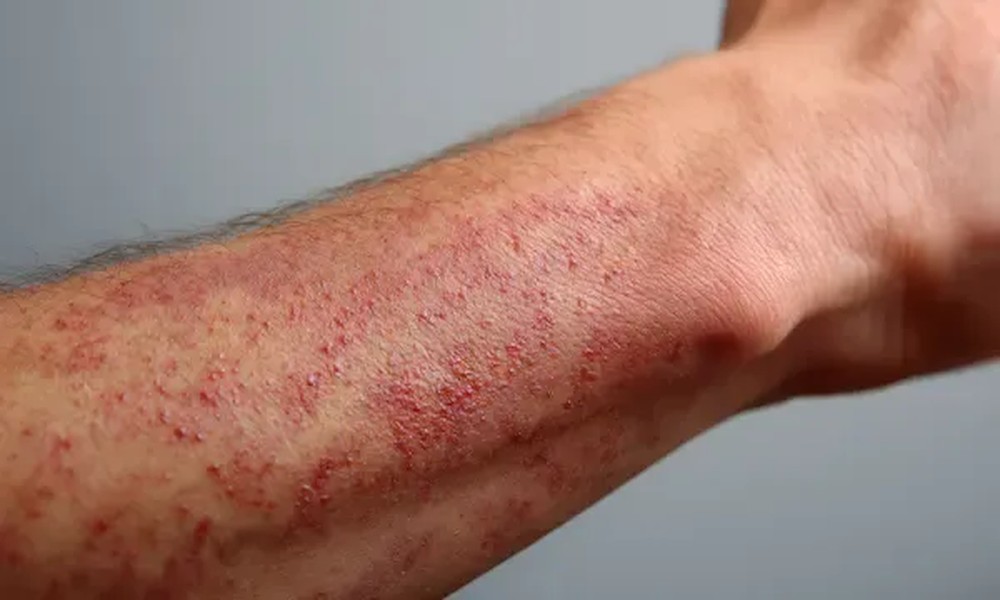
Living with a persistent dermatological issue is about more than just physical symptoms. The constant itch, painful broken skin, and interrupted sleep create a heavy daily burden. This is often matched by deep emotional strain, including embarrassment, shame, and social isolation.
An evidence-based psychological approach, known as CBT, has emerged as a powerful complementary treatment. It directly addresses the cycle where physical discomfort fuels stress, and stress, in turn, can worsen the visible conditions. This method moves beyond creams alone to tackle the root of the problem.
For many patients, this form of therapy is empowering. It teaches practical skills to manage reactions and break the frustrating itch-scratch cycle. The goal is to regain control and improve overall quality of life, from sleep to personal confidence.
This guide will explore how CBT works, the science supporting it, and practical ways to apply its techniques. It highlights a proactive path to managing long-term skin health, where psychological and medical care work together.
Key Takeaways
- Persistent skin problems significantly impact both physical comfort and emotional well-being.
- CBT is a proven psychological treatment that effectively complements standard medical care.
- It targets the destructive cycle where stress and physical symptoms worsen each other.
- Individuals learn active management strategies, moving from passive patient to empowered manager.
- The approach can help alleviate related issues like social anxiety, low confidence, and sleep disturbance.
- This resource provides insights into the evidence and practical application of this therapy.
- Integrating psychological support with dermatological treatment can lead to markedly better long-term outcomes.
Introduction to CBT for Chronic Skin Conditions
Managing a visible, ongoing skin problem often involves more than topical creams and medications. Originally a talk therapy for anxiety and depression, CBT has evolved. Strong evidence now supports its use for long-term health conditions like eczema.
Patients with these dermatological issues frequently report high levels of stress, anxiety, and negative feelings. The relentless itch and appearance can lead to social embarrassment and isolation. This makes psychological support a crucial part of complete care.
This method directly tackles the link between physical symptoms and emotional wellbeing. It recognises that persistent skin troubles affect both the body and a person’s quality of life. The goal is to break cycles where worry worsens flare-ups.
CBT is suitable for diverse patients, including adults, adolescents, and children. The emotional toll of living with such a visible condition over years is significant. This therapy provides essential coping strategies.
Ultimately, CBT equips individuals with practical tools. They learn to manage reactions and build long-term self-management skills. This empowerment extends far beyond the clinic room.
What is Cognitive Behavioural Therapy for Chronic Skin Conditions?
At its core, this therapy examines how thoughts and behaviours influence physical symptoms and emotional wellbeing. Cognitive behavior therapy is a structured psychological intervention. It focuses on the powerful link between thoughts, feelings, and actions.
The ‘cognitive’ part involves spotting thought patterns. People learn to identify unrealistic or negative thinking about their dermatological issue. This helps reduce distress and anxiety.
The ‘behavioural’ element tackles actions like scratching or social avoidance. CBT teaches individuals to replace these with better responses. For example, using a cooling cream instead of scratching.
Changing one part of this cycle creates positive ripple effects. It leads to better mental health and can improve skin outcomes. This approach is not about false positivity.
It builds balanced, realistic perspectives. Working with a trained therapist, problems are broken into manageable parts. Cognitive behavior therapy fosters acceptance of a long-term condition.
Simultaneously, it equips people with practical coping skills. This empowers them to handle flares and daily stress more effectively. The goal is lasting self-management.
Evidence and Research on CBT for Dermatological Conditions
Rigorous studies now confirm that addressing the mind-body connection can improve outcomes for various skin conditions. A solid body of research provides the foundation for this approach.
A key narrative review analysed the existing evidence. It searched relevant articles in Google Scholar databases and PubMed from their inception until October 2021. The review included a number of studies-30 in total-covering psoriasis, eczema, vitiligo, acne, and alopecia.
The findings demonstrate the clear utility of CBT. Several randomised controlled trials with large samples support its effectiveness. Notably, patients who completed courses were less likely to need frequent dermatology appointments afterwards.
Specific research highlights tangible benefits. In one study from 2021, 102 adults with eczema received internet-based CBT for 12 weeks. Compared to a control group, they reported less intense itching, lower stress, better sleep, and reduced depressive symptoms.
This collective evidence shows that psychological support can lead to measurable improvements in both wellbeing and physical symptoms for people with long-term dermatological issues.
Expert Insights from The Psychodermatologist
Dermatologists specialising in psychodermatology offer a unique perspective on long-term skin health. Dr Alpa Kanji, a consultant at West Hertfordshire Teaching Hospitals NHS Trust, focuses particularly on atopic dermatitis. She is passionate about empowering patients to manage their skin condition actively.
She explains the psychological burden can be substantial. It often causes feelings of social isolation, embarrassment, and low confidence. This emotional toll is frequently underestimated in standard care.
Effective treatment must address both dermatological symptoms and psychological factors. The visibility of these conditions creates unique challenges. A specialised therapy approach is needed to tackle both aspects.
CBT provides this integrated support. Clinical experience shows patients receiving it achieve better outcomes. They report improvements in both their skin and overall wellbeing.
Empowering individuals through CBT leads to better self-management. It reduces healthcare dependency and builds confidence during flares. This approach transforms patients from passive recipients into active managers of their atopic dermatitis.
| Aspect | Traditional Dermatology Focus | Integrated Psychodermatology Approach |
|---|---|---|
| Primary Focus | Medication and topical applications | Combining medical treatment with psychological support |
| Patient Role | Mostly passive, following prescriptions | Active self-manager using learned coping skills |
| Psychological Consideration | Often secondary or addressed separately | Central to treatment, addressing stress and behaviour cycles |
| Long-term Goal | Symptom control during flare-ups | Sustainable quality of life and reduced condition severity |
| Outcome Measurement | Primarily physical skin improvement | Combined metrics: skin health, emotional wellbeing, and daily function |
Clinical Perspectives from Surgical Arena Ltd
Structured programmes combining behavioural and medical interventions have a established clinical history. The combined approach, integrating habit reversal with optimised topical treatment, was first introduced to the UK in 1989.
Doctors Richard Staughton and Christopher Bridgett established it at London’s Chelsea and Westminster Hospital. This model recognises that patients need more than creams alone.
Psychological support is crucial for addressing behavioural and emotional components. A typical programme involves four-to-six consultations over two months.
This allows for gradual skill development and sustained behaviour change. Clinical services have evolved to deliver this comprehensive care.
From the clinical viewpoint ofSurgical Arena Ltd, integrating CBT principles enhances standard dermatological therapy. It addresses both physical symptoms and psychological maintenance factors.
| Aspect | Standard Dermatological Care | Integrated Clinical Programme |
|---|---|---|
| Core Focus | Medication and topical applications | Medical treatment combined with psychological support |
| Patient Engagement | Often passive, following instructions | Active collaboration using learned coping skills |
| Programme Structure | Ad-hoc or acute flare-up management | Structured series of sessions over weeks |
| Long-term Outcome | Symptom control during flares | Sustained improvement and longer remission periods |
| Healthcare Team | Primarily dermatologist-led | Collaboration between dermatologists, psychologists, and the patient |
Observations show patients in combined programmes experience more durable improvements. They often achieve better long-term management of their conditions.
Successful therapy requires this active participation. Collaboration between specialists delivers truly holistic skin health management.
The Science Behind Habit Reversal in Chronic Eczema
When scratching becomes an unconscious reaction, it perpetuates skin damage and prevents healing. This is where the behavioural technique of habit reversal becomes crucial. Originally developed by psychologists to address nervous habits, it was adapted for atopic dermatitis by Swedish dermatologist Dr Peter Norén.
Understanding the Itch-Scratch Cycle
The itch-scratch cycle is a self-perpetuating pattern. An itching sensation triggers scratching, which causes inflammation and more itching. Over time, this behaviour generalises.
People may scratch in response to stress, tiredness, or boredom without realising it. This unconscious habit maintains the skin condition, creating thickened, leathery areas.
Implementing Habit Reversal Techniques
The first step is developing awareness. Patients use a tally counter to record every scratch, pick, or touch. This makes the automatic behaviour conscious.
Once aware of triggers, they learn a competing response. For example, clenching fists for 30 seconds until the urge passes. This reversal physically prevents damage.
With consistent practice, scratching episodes drop dramatically. This allows the skin to heal properly. Habit reversal is a core component of cbt for dermatitis, empowering patients to break the cycle.
How Internet-Based CBT is Changing Skin Treatment
A landmark study published in late 2024 provides new evidence for the effectiveness of online therapeutic programmes. Research by Dorian Kern at Karolinska Institutet, in JAMA Dermatology, compared two digital formats for atopic eczema.
It found self-guided internet-based CBT was effective for reducing symptoms and improving life quality. Crucially, it required far fewer healthcare resources.
Self-Guided vs Clinician-Guided Approaches
The study contrasted self-guided and clinician-guided online CBT. In the self-guided format, patients work independently through structured materials.
The clinician-guided version includes regular therapist support. Both improved outcomes, but the self-guided option used an average of just 16 minutes of clinician time per person.
This compares to 50 minutes for the supported group. For many patients, the independent format offers welcome flexibility and autonomy.
Improving Accessibility Through Technology
This finding is vital because access to psychological treatment for skin conditions is often limited. Long waiting lists and geographical barriers prevent timely care.
Internet-based CBT directly addresses this. It allows patients to engage from home, at their own pace.
While a limited number of specialist centres offer integrated services, a digital CBT programme can extend evidence-based help to many more people. Future plans include evaluating how to embed such tools into regular dermatology care.
Step-by-Step CBT Techniques for Effective Treatment
Through step-by-step techniques, patients build skills to interrupt automatic reactions like scratching and worrying. This structured treatment usually involves a series of sessions over several weeks.
At the start, the individual and therapist work together. They set clear, personal goals for the therapy. This might be to scratch less or feel less stressed about skin appearance.
The cognitive behavior therapy process then uses two main types of skill. These are shown in the table below.
| Technique Type | Primary Focus | Example Activity |
|---|---|---|
| Cognitive | Identifying & challenging unhelpful thoughts | Keeping a thought diary to spot negative patterns |
| Behavioural | Changing actions and breaking habits | Using a tally counter to track and reduce scratching |
Between sessions, people practise these new skills as ‘homework’. The therapist reviews progress in the next meeting. They celebrate wins and adjust plans if needed.
This active treatment takes time and consistent effort. Patients gradually replace old patterns with healthier responses. The focus of cognitive behavior therapy is on building a better present and future.
Integrating CBT with Topical Treatments and Medication
To achieve lasting relief, addressing the inflammatory process alone is insufficient without also targeting habitual scratching. The most effective strategy is a combined approach. This integrates optimal topical treatment with behavioural techniques from psychological therapy.
Standard medication includes emollients and topical steroids. Emollients strengthen the skin barrier. Steroids reduce inflammation. Yet, if scratching continues, healing is prevented.
The combined approach typically involves four-to-six consultations over two months. During this time, a person’s medication is optimised. Stronger preparations may be used short-term under close supervision.
This combination medication for chronic issues mirrors its success in managing chronic pain. Patients receiving CBT in addition to skin care show greater improvement. They often need less ongoing medication long-term.
Developing a Personal CBT Action Plan for Skin Management
The cornerstone of lasting improvement is a collaborative blueprint developed between the individual and their therapist. This personalised action plan moves beyond generic advice. It is tailored to a person’s specific skin condition, lifestyle, and personal triggers.
At the start of CBT, the therapist and patient agree on clear, realistic goals. This ensures expectations are appropriate from the outset. The entire process is then shaped around the individual’s unique circumstances and concerns.
Setting Realistic Goals
These goals are broken down into smaller, manageable steps. This makes the overall task of managing a long-term condition feel less daunting. Goals might focus on reducing visible symptoms, managing social anxiety, or improving sleep.
The plan includes strategies for recognising early warning signs of a flare. This allows for prompt intervention with the correct topical treatment before symptoms escalate. Personal triggers are also identified and sorted into ‘avoidable’ and ‘unavoidable’ categories.
This structured approach empowers patients. They learn to respond confidently when issues arise. Over time, the number of acute relapses typically decreases.
Periods of remission between episodes grow longer. This leads to a substantially improved quality of life. A well-crafted action plan is a powerful tool for sustained self-management.
Managing Stress and Anxiety in Chronic Skin Conditions
Research consistently shows a bidirectional link. Here, stress worsens dermatological symptoms, and the visible symptoms themselves fuel further anxiety. This creates a difficult cycle to break.
People with these conditions often report high levels of psychological distress. The visibility of the issue can bring feelings of embarrassment, shame, and social anxiety. This frequently leads to avoidance and isolation.
Learning to manage this cycle is a core part of CBT. A 2021 Swedish study found that people receiving this support had reduced stress, better sleep, and fewer depressive symptoms. Practical strategies are taught to interrupt the pattern.
Specific techniques include:
- Cognitive restructuring to challenge worried thoughts about appearance.
- Relaxation training to lower the body’s stress response.
- Mindfulness approaches to foster acceptance and reduce reactivity.
The goal is not to eliminate anxiety entirely. It is to build healthier responses. This can start a positive upward spiral, where better management leads to fewer flares and improved confidence.
Tailoring CBT Approaches for Atopic Dermatitis and Related Conditions
Tailoring therapeutic strategies is essential because eczema, psoriasis, and acne present very different daily challenges. A core principle of this therapy is customisation. While the framework remains consistent, the specific techniques must address each disorder’s unique psychological impact.
Evidence from a major narrative review supports this. It included 11 studies on atopic dermatitis, 10 on psoriasis, and others on vitiligo and acne. This shows CBT has proven effective for a number of dermatological conditions.
For patients with atopic dermatitis, the focus is often on the relentless itch-scratch cycle and sleep disruption. CBT here heavily emphasises habit reversal and frustration management.
For other conditions, the therapeutic targets shift:
- Psoriasis: Often centres on managing stigma and visibility concerns.
- Vitiligo: May address identity and altered appearance.
- Acne: Frequently tackles adolescent social anxiety.
Effective clinicians therefore need specialised knowledge. They must understand both the psychological techniques and the distinct features of each skin disorder. This ensures patients receive truly personalised and effective support.
Practical Application: Habit Reversal and Combined Approach
Putting theory into practice begins with a simple tool: a tally counter. This technique forms the core of habit reversal, a behavioural method within CBT.
Tracking Behavioural Progress
Individuals use the counter to record every scratch, pick, or touch. Initial counts often surprise people. They can range from 100 to over 1,000 episodes daily.
This objective data transforms an unconscious habit into a measurable behaviour. Active participation is essential. Patients are given homework to practise after each session.
Real change happens through consistent daily effort. It occurs over time, not just during appointments. Progress is monitored through these daily tallies.
As awareness grows and competing responses are used, counts drop substantially. Published studies show this method works. Combined with optimal topical treatment, it reduces chronic eczema severity.
| Day | Scratching Episodes | Primary Context | Competing Response Used |
|---|---|---|---|
| 1 | 850 | While working | Clenched fists for 30 seconds |
| 7 | 420 | Evening relaxation | Applied cooling cream |
| 14 | 180 | During stress | Mindfulness breathing |
This combined approach integrates behavioural change with medical care. Patients receiving this therapy alongside topical treatment show better outcomes. The synergy creates lasting results.
Resources and Support for Your CBT Journey
Finding the right help can feel overwhelming, but multiple pathways exist to access psychological support for dermatological concerns. This section outlines practical routes to professional care and valuable self-help tools.
For many patients, starting with self-guided resources is a positive first step. Evidence-based online programmes like Getselfhelp and Living Life to the Full offer structured modules. These can be used while waiting for formal therapy or as standalone support.
Self-Help Tools and Community Support
Books such as The Eczema Solution by Sue Armstrong-Brown provide practical strategies. Connecting with others who understand is also powerful. Organisations like the National Eczema Society run forums and local groups.
Professional therapy based on CBT principles is accessible through several routes. In England, the IAPT programme allows self-referral without a GP. Your GP can also refer you to local NHS psychological services.
For children and young people, CAMHS provides specialist support, though waiting lists can be long. Private therapists listed on the BABCP register offer an alternative for quicker access. This article recommends exploring all options.
| Pathway | Description | Best For |
|---|---|---|
| NHS IAPT | Self-referral for free CBT in England | Adults seeking prompt therapy sessions |
| GP Referral | Referral to local NHS psychological services | Those preferring a medical gatekeeper |
| Dermatology Centre | Specialist integrated services at hospitals | Patients with complex skin needs |
| Private BABCP Therapist | Accredited private practitioners | Individuals wanting flexible, timely appointments |
Do not wait passively for formal treatment. Engaging with these resources can improve your quality of life now. Building a personal toolkit empowers patients to manage daily life with confidence.
Special Considerations for Children and Young People in CBT
Adapting psychological techniques for children and adolescents is a specialised skill. The core principles of cognitive behavior therapy remain, but the delivery must match their developmental stage.
Younger patients have different attention spans and language abilities. Therapy for them often uses play, visual aids, and simple words. For teenagers, sessions might focus more on peer relationships and building independence.
Living with a visible issue affects a young person’s self-esteem. It can impact friendships, school attendance, and family life. These unique challenges require a tailored treatment plan.
The table below shows how CBT is adapted for different age groups.
| Therapeutic Focus | Younger Children | Adolescents |
|---|---|---|
| Primary Techniques | Play-based activities, stories, and rewards | Discussion, goal-setting, and cognitive restructuring |
| Key Involvement | High parental guidance and support | Encouraging personal responsibility and autonomy |
| Main Goals | Reduce distress, manage scratching with help | Build self-management skills and improve social confidence |
Practical tools, like tally counters, need to be age-appropriate. Family dynamics are also crucial. Parental anxiety can affect outcomes.
Access to this therapy is often through CAMHS. Waiting lists can be long, delaying support. Early intervention is valuable, as studies in this article suggest.
It helps build coping skills for life. Coordinated care between doctors, schools, and psychologists saves time and provides consistent support for young patients with these conditions.
Conclusion
In summary, the evidence is clear: addressing the mind-body connection through CBT offers real hope. Multiple studies show that this cognitive behavior therapy helps people better manage life with eczema by reducing anxiety and stigmatising beliefs.
Patients who undergo this treatment alongside standard skin care see marked improvement. Their quality of life and the severity of their disease often get better.
For some, years of struggle are replaced with clear skin. This has a profound effect on wellbeing and daily functioning.
While CBT requires commitment, benefits extend beyond symptoms. They include improved confidence and better relationships. It treats the whole person, not just physical signs.
Individuals are encouraged to explore access pathways. Learning these skills provides lasting tools for self-management. CBT equips patients to manage their conditions and emotional responses throughout life.